Bathroom Remodeling in Terrace Heights, WA
Bathroom Remodeling Across Terrace Heights
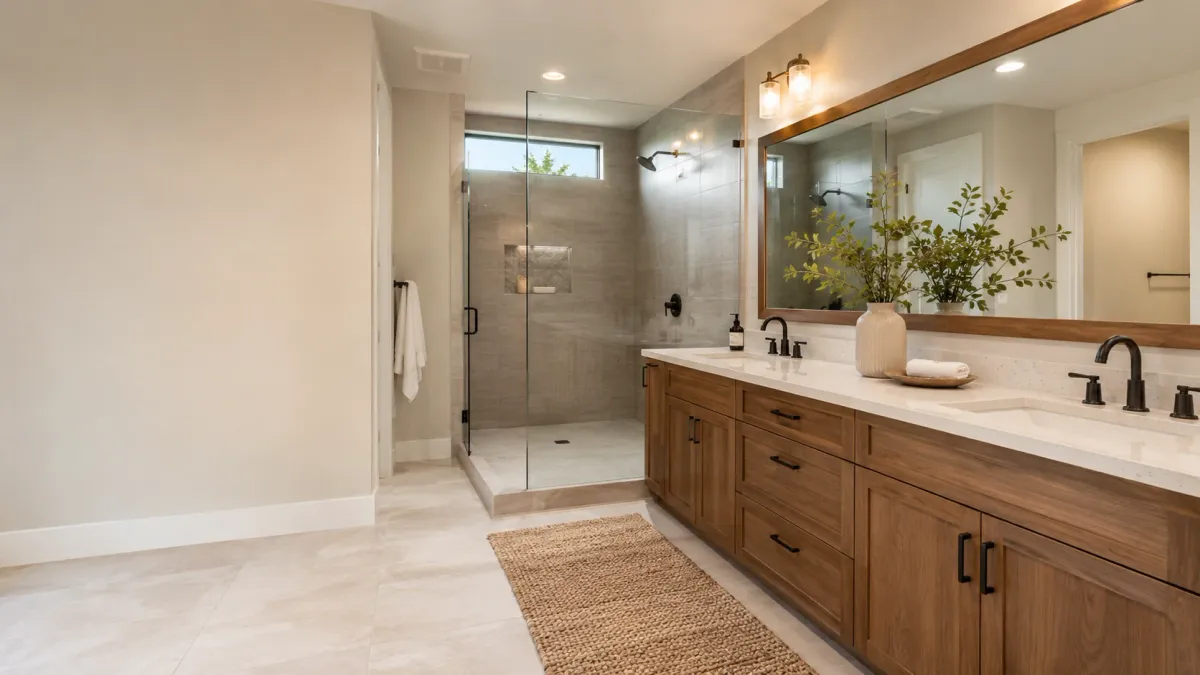
Terrace Heights is unincorporated, and that changes who you deal with on every permitted bathroom job here. Work that alters plumbing or electrical routing goes through the Yakima County Building and Fire Safety Division rather than a city counter, and county permit fees rose in the spring of 2026. Water and sewer are separate again. Terrace Heights Water is administered by Yakima County Public Services, while the Sewer District operates out of its own offices on Terrace Heights Drive. Three bodies can touch a single remodel that adds a fixture. None of that is a problem, but it is a scheduling reality, and it is the reason we identify which authority applies at the walkthrough instead of at application. The housing is suburban single-family, mostly built between mid-century and the 1980s, with roughly 2,609 units across the community. That era of construction is where soft subfloor at the toilet flange and failing original tub surrounds turn up most often, so we check the floor around the base of the toilet before quoting anything.
County Permits and a Separate Sewer District
The community sits on a broad river terrace east of the Yakima River, high enough that it reads as its own plateau rather than part of the valley floor below it. Yakima Waste Systems is headquartered on Terrace Heights Drive, which is the road most people navigate by, and the residential streets climb from it toward the upper part of the plateau. The terrace setting limits how far the community can spread, so nearly all bathroom work here happens inside existing houses rather than in new construction. The last census counted 9,244 residents. For remodelling the relevant detail is age rather than population: mid-century through 1980s single-family stock, which typically means original waste lines, shallow joist bays in the older half, and tub alcoves framed long before anyone was thinking about step-over height. Electric supply is Pacific Power, now transitioning to Portland General Electric.
Mid-Century Homes Above the River
Accessible bathroom work here runs into the permit structure more than the framing. A curbless entry that relocates a drain is county work through the Yakima County Building and Fire Safety Division, and where the change touches the waste side it can involve the Sewer District as well, so we establish both at the walkthrough rather than partway through. The housing helps. Mid-century through 1980s single-family stock is overwhelmingly single-story, which removes the stair problem entirely and leaves the bathroom itself as the only thing to solve. What those houses lack is floor depth. Shallow joist bays in the older half of that range mean a fully curbless entry often needs framing dropped or the surrounding floor furred up. We measure the bay depth first and give you the curbless and low-threshold prices together so the choice is yours rather than ours.
The Terrace Heights Drive Corridor
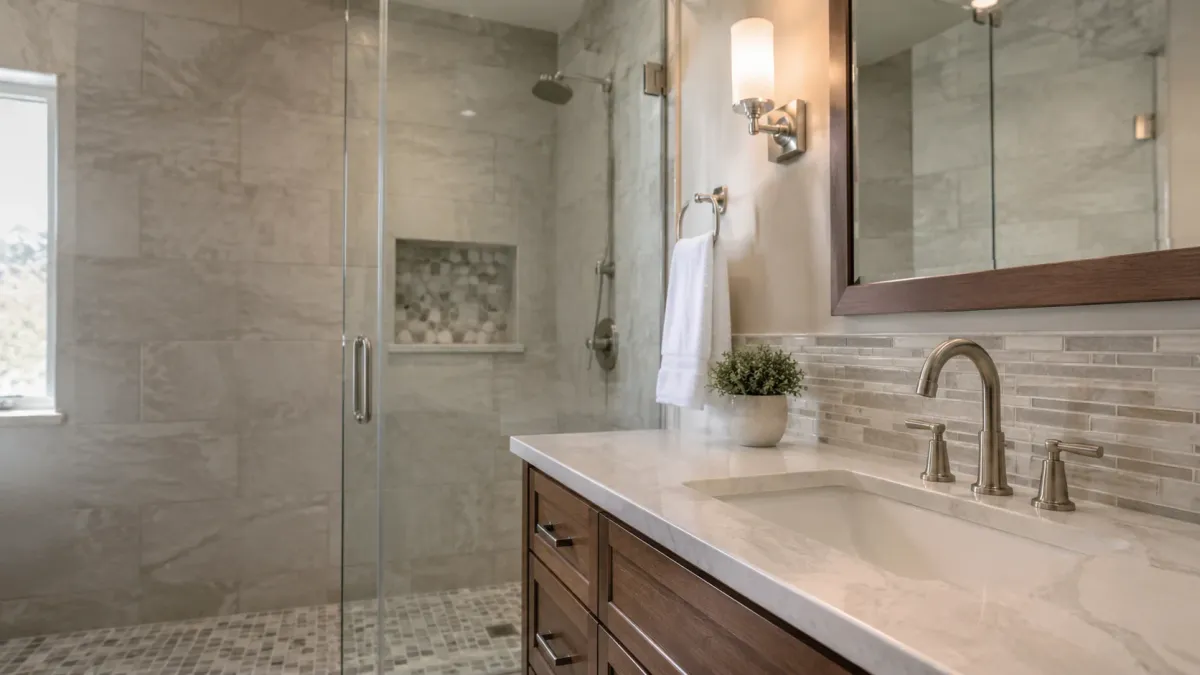
Small bathroom remodels here are mostly hall baths in single-story houses built between mid-century and the 1980s, and they were built compact on purpose. Keeping the fixtures on their existing drains is the strategy, because a same-footprint job stays clear of the drain relocation inspection and keeps the Yakima County Building and Fire Safety Division review narrow. Inside that footprint there is more room to manoeuvre than people expect. A shallower vanity, a reversed door swing, and a shower where the tub sat will change the room without touching the plumbing wall. The one thing we always check first in this housing is the subfloor around the toilet, because a slow flange leak in a 1970s bathroom has usually had decades to work, and no finish plan survives a soft floor underneath it.
Upper Terrace Heights Residential Streets
Tub replacement on the terrace is common work, and the age of the housing sets the shape of it. Tubs in mid-century and 1970s houses here are often original, sometimes cast iron, and the alcoves were framed before step-over height was something anyone considered, which is why a lot of these swaps end up as conversions instead. Access is generally good, since the streets off Terrace Heights Drive are suburban with driveways and side yards, so removal is less of a puzzle than in tighter parts of the valley. The work that decides the outcome is behind the surround. We open the wet wall, look at the substrate and the flange detail, and rebuild to a named waterproofing system. Where the drain position changes, the permit runs through Yakima County rather than a city counter.
Bathrooms only, across the Yakima Valley.
Proudly serving Yakima, Selah, Union Gap, West Valley, Terrace Heights and Moxee for 14+ years.
Comprehensive Bathroom Remodel Services in Yakima
Tailored to Your Needs
We scope bathroom work as ten separate jobs, from an accessible walk-in shower to a full bathroom addition. What separates them is not finish level but whether the fixtures move, because that decides the permit, the inspections and most of the cost. Start with the one that matches your project.
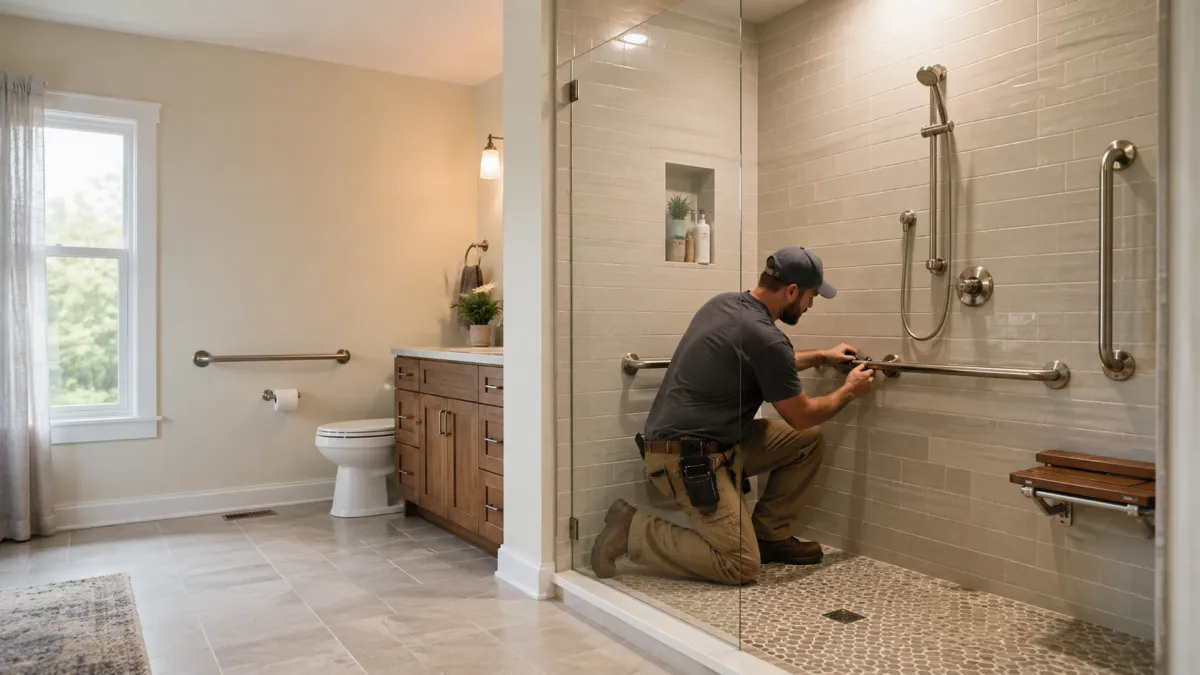
An accessible remodel rebuilds clearances, the shower entry and the grab bar backing.
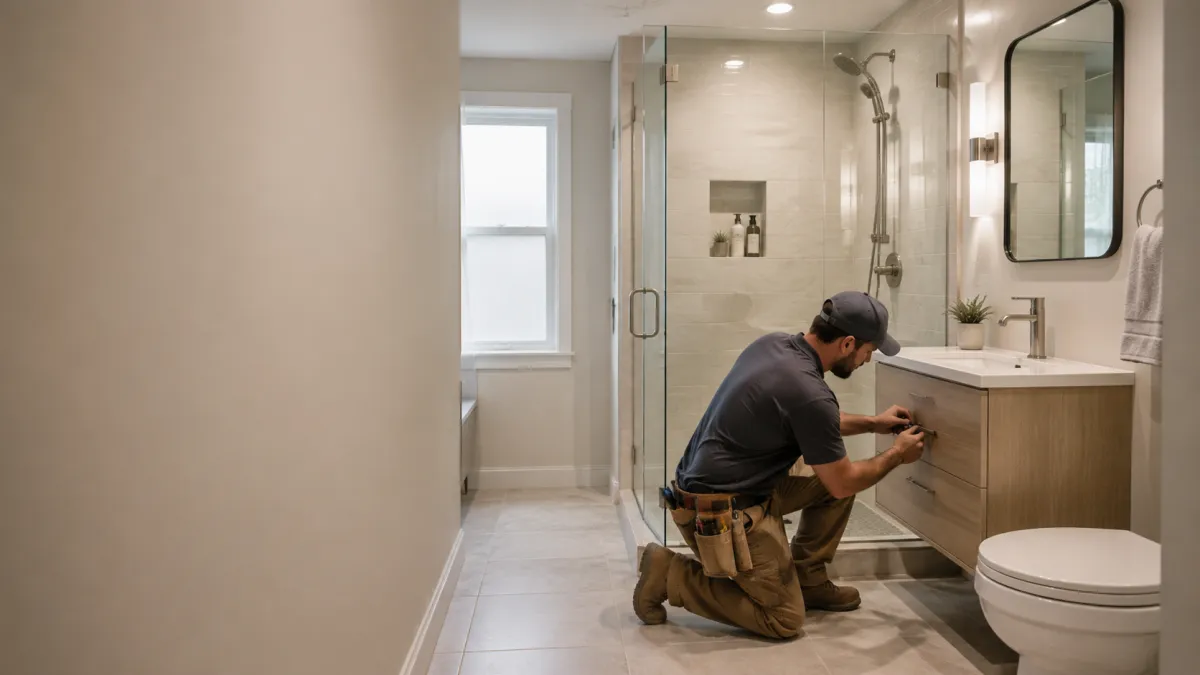
A small bathroom remodel buys back usable space without moving the plumbing wall.
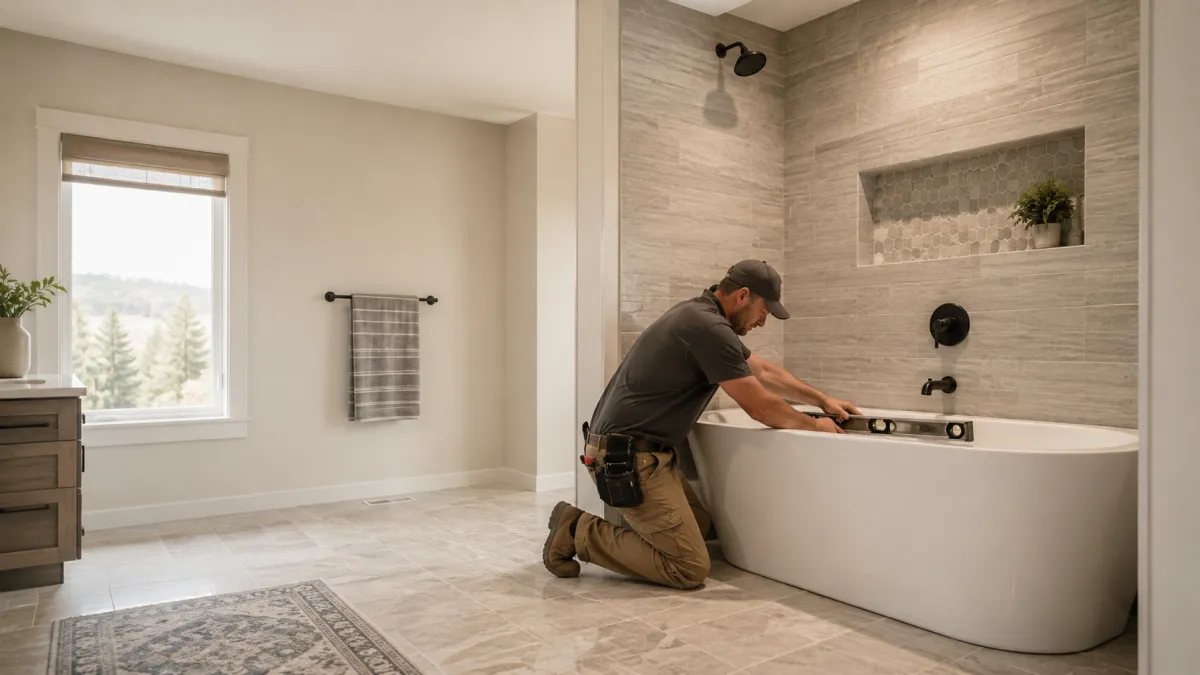
Bathtub replacement swaps the tub, the surround and the waterproofing behind it.
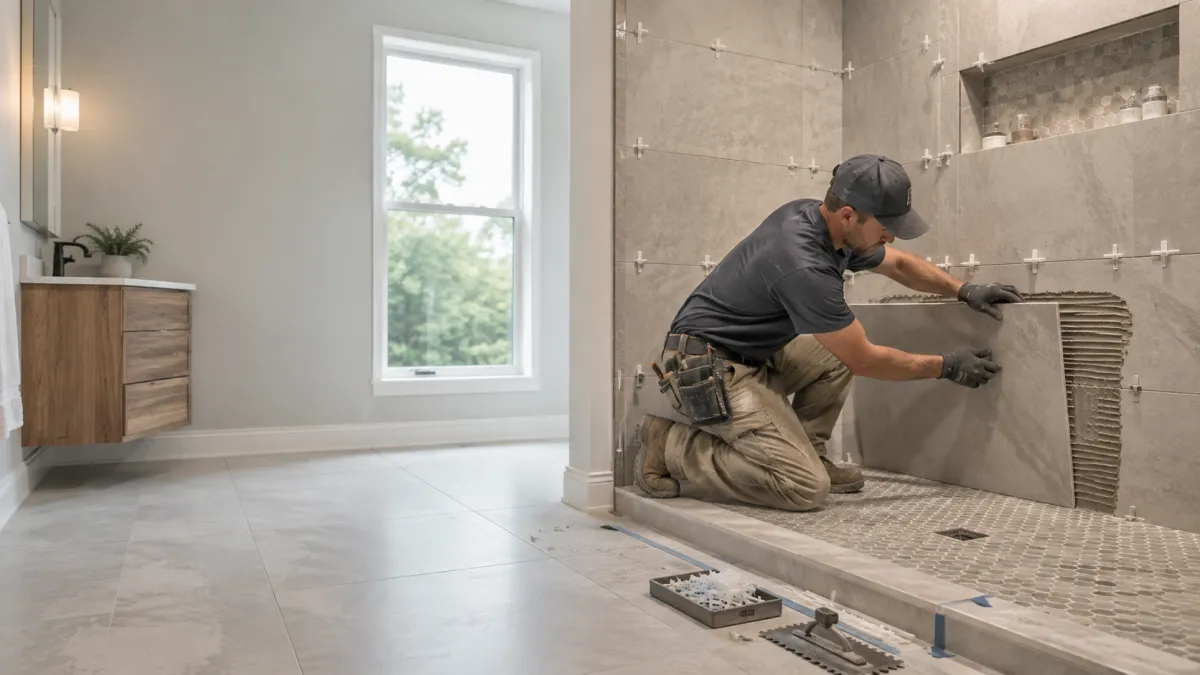
Tile installation is decided by the waterproofing layer set underneath it.
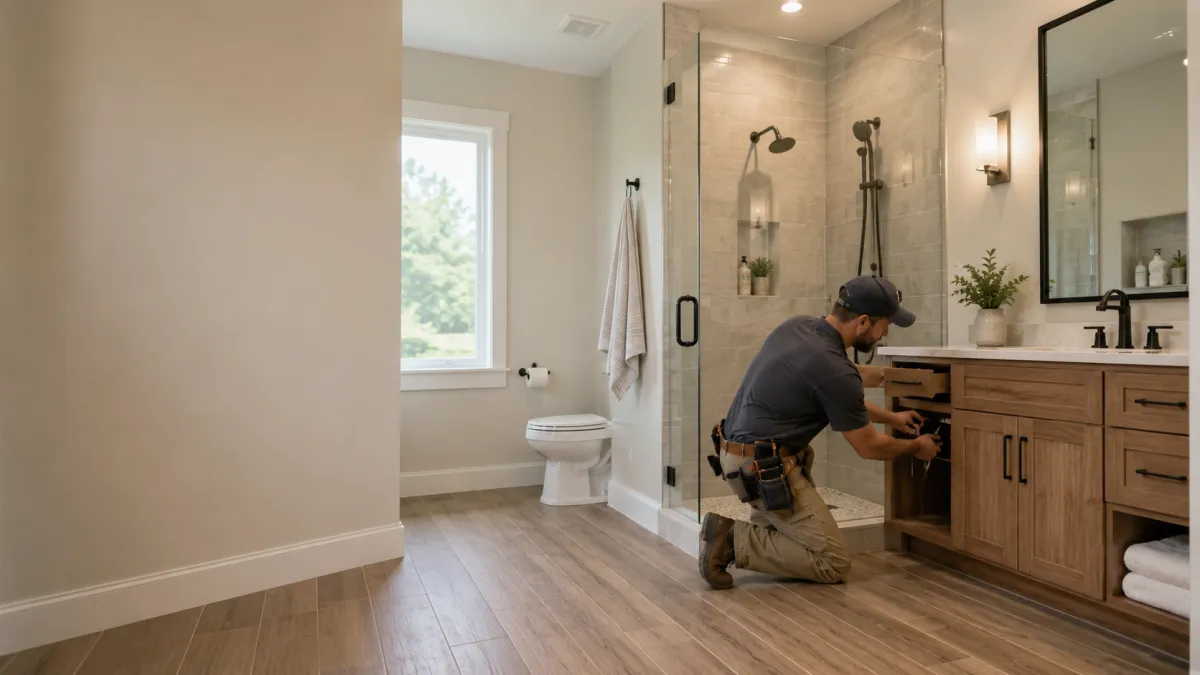
A bathroom addition is located by the waste line before anything else.
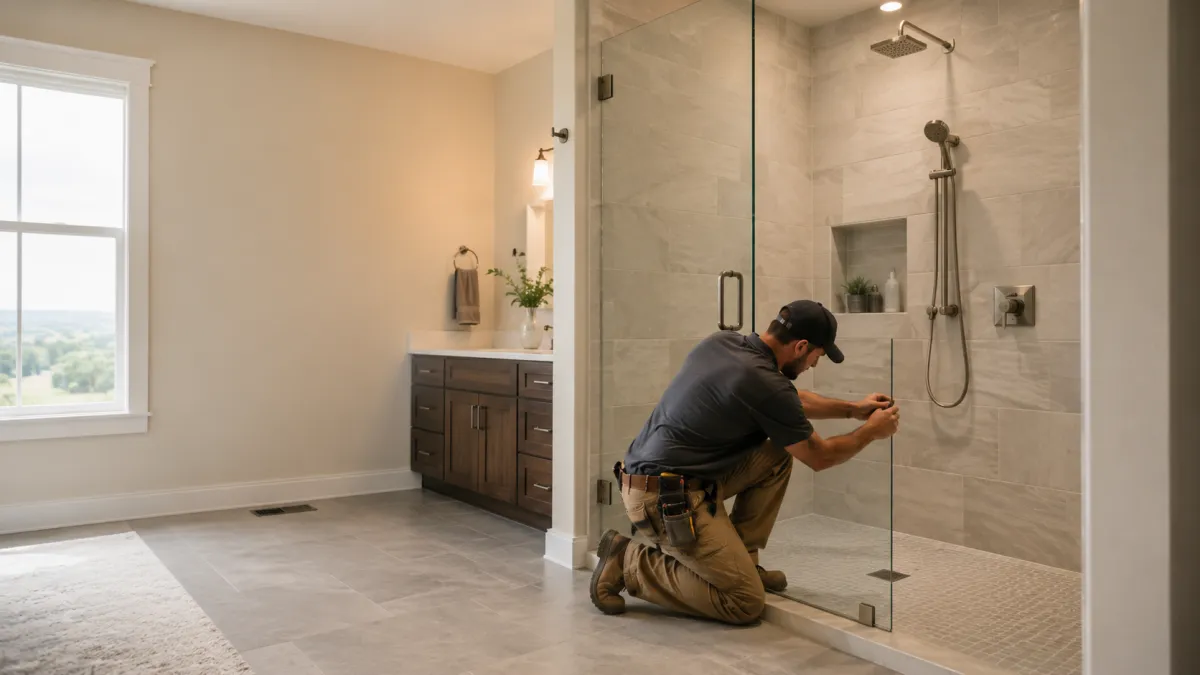
A walk-in shower is a waterproofed pan assembly with tile and glass over it.
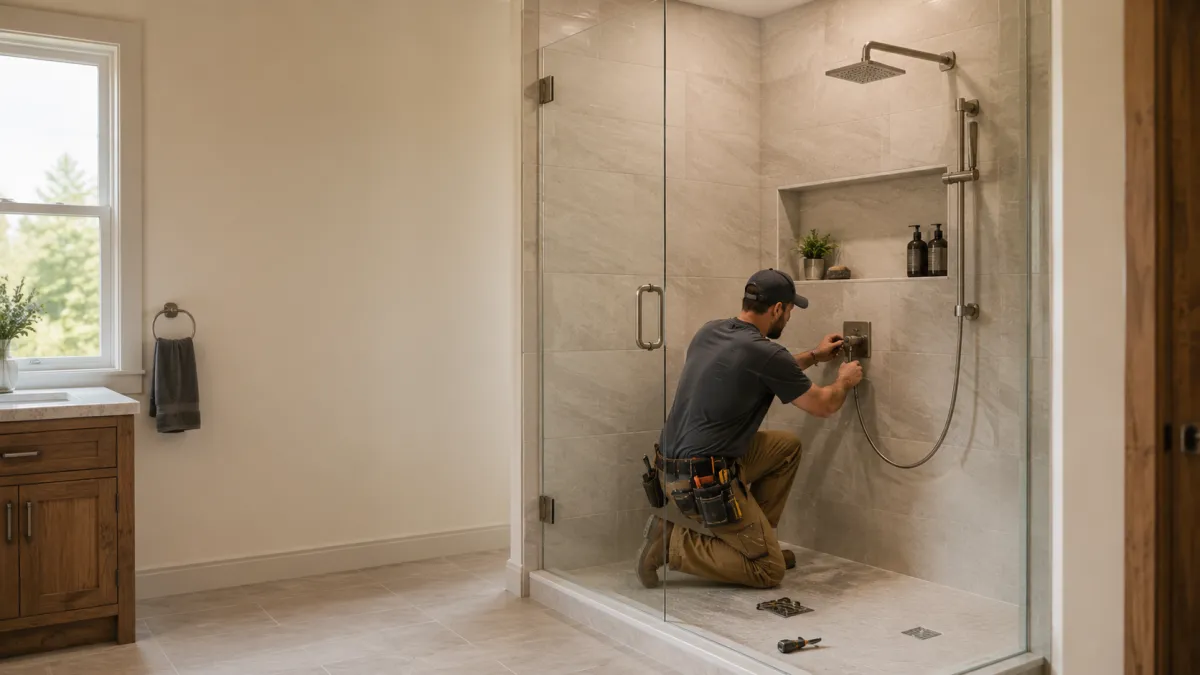
A conversion reuses the alcove but rebuilds the pan, the wall and the drain detail.
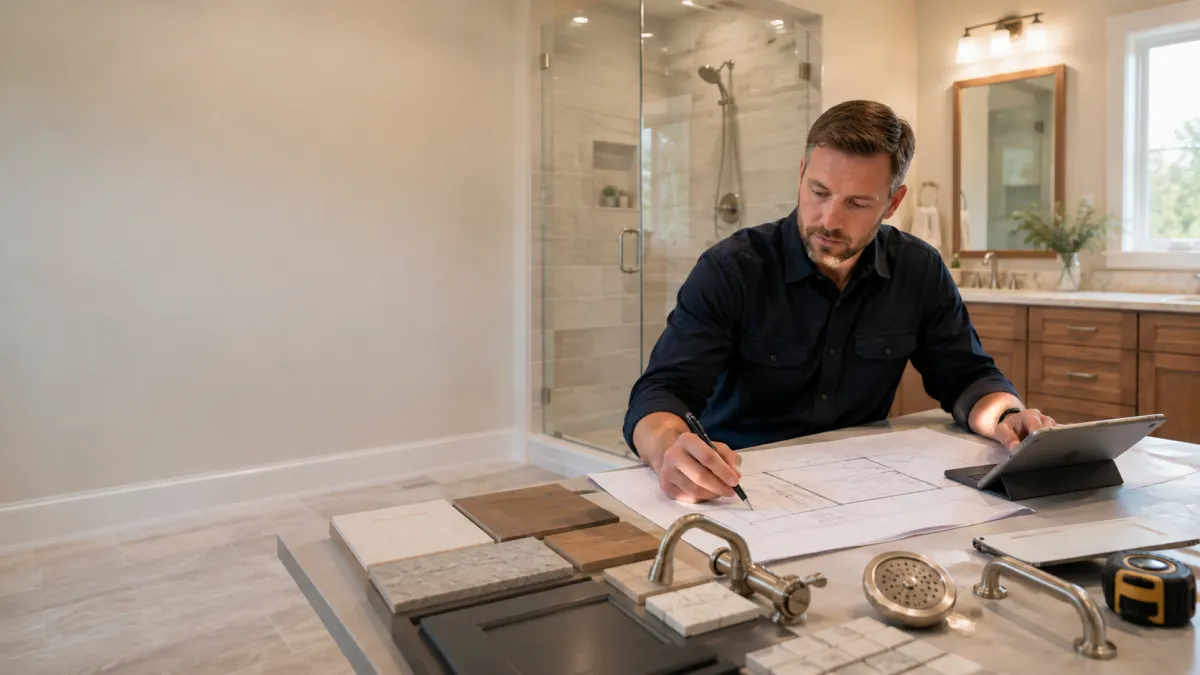
Cost follows whether fixtures move, what the wall hides, and the permit scope.
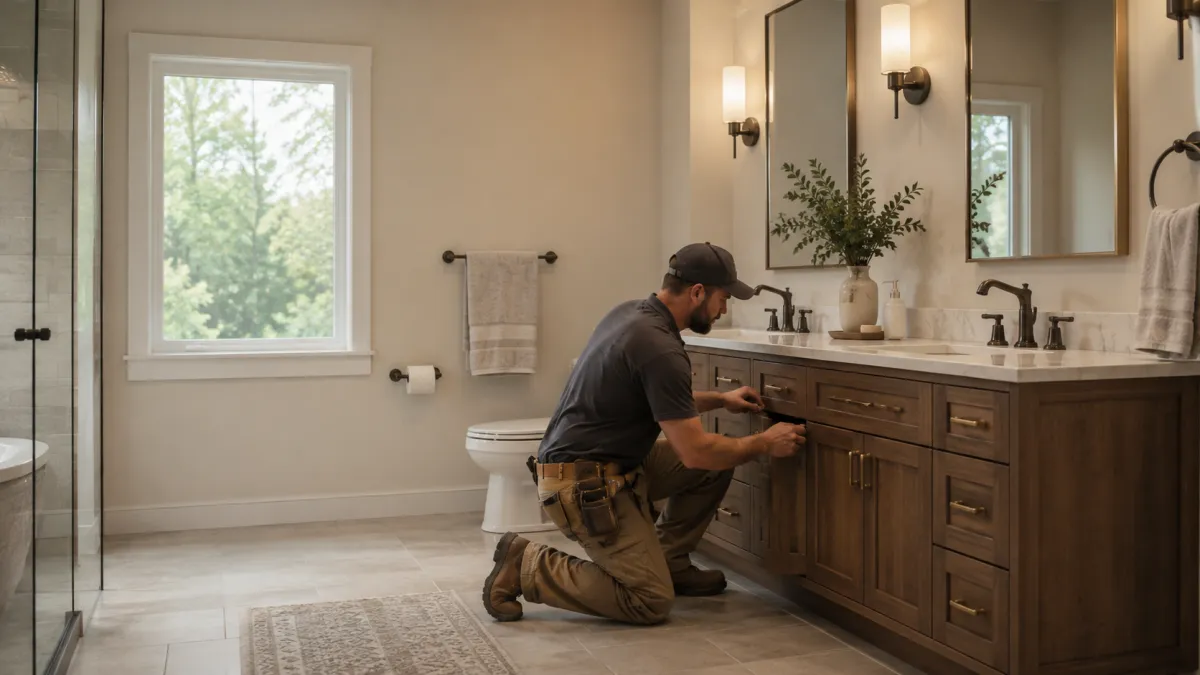
Vanity installation is a fit problem between a new cabinet and old rough-in.
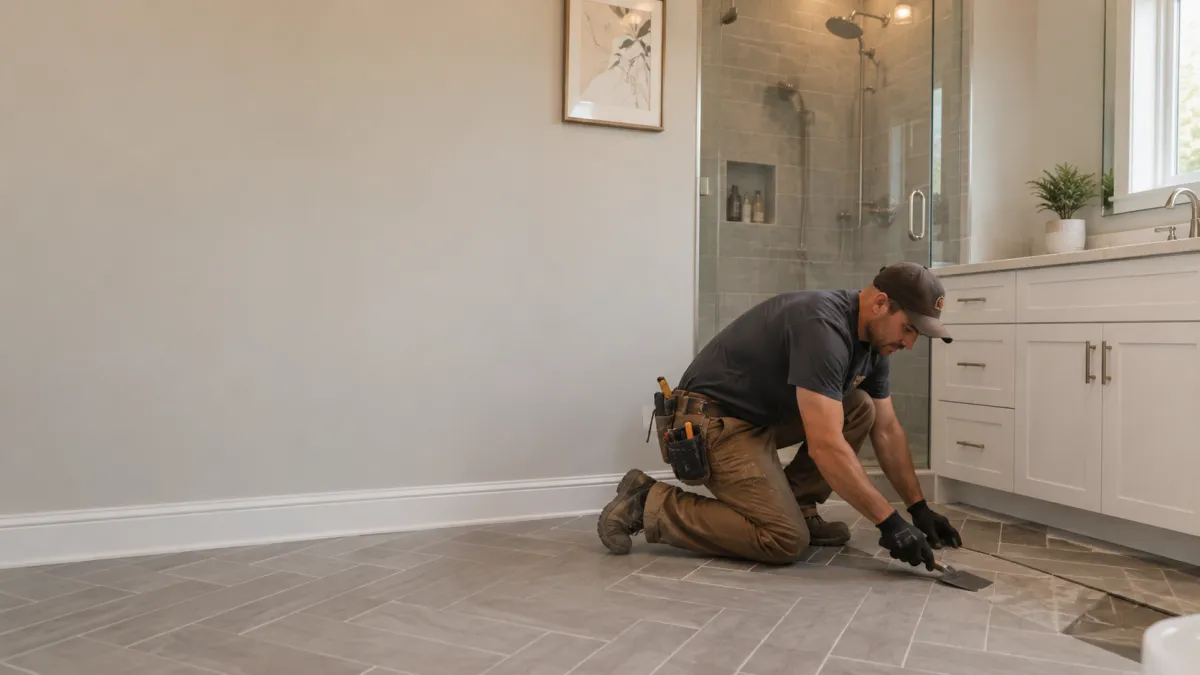
Repair starts by finding the failure point rather than resurfacing the symptom.
Frequently Asked Questions
Bathroom Remodel can be complex, and we’re here to provide answers to common questions. Here are some frequently asked questions from our clients.
Frequently Asked Questions about bathroom remodel Yakima WA
How much does a bathroom remodel cost in Yakima, WA?
There is no single price for a Yakima bathroom remodel. Cost follows whether the fixtures stay in their existing footprint, whether the supply and waste lines behind the wall get replaced, and what the permit scope turns out to be. A refresh that reuses the drain and a remodel that relocates it are not comparable jobs. We price after a walkthrough, not before one.
Do I need a permit for a bathroom remodel in Yakima, WA?
In most cases, yes. Yakima County adopted the 2018 International Codes, and bathroom work that alters plumbing or electrical routing needs a permit and inspections. Inside the city limits that runs through the City of Yakima Building Division, while Terrace Heights and Moxee route through Yakima County and Selah and Union Gap each run their own counter. We pull it either way.
How long does a bathroom remodel take in Yakima?
Schedule follows the permit and inspection sequence, whether fixtures move, and lead times on tile and glass. A single-scope refresh inside the existing footprint moves faster than a remodel that relocates a drain or adds a fixture. Spring is the busiest stretch of the year here, so a March start booked in January runs a lot cleaner than one booked in March.
What is the most expensive part of a bathroom remodel?
Usually the part you never see. Moving a drain, opening the wall to replace tired supply lines, and rebuilding a shower pan with a proper waterproofing membrane all cost more than the tile and fixtures most people are picturing when they start. If the layout stays put, the money goes into finishes instead. Working out which of those two projects you actually have is the first thing we do.
Are bathroom remodels worth it?
It depends on what the bathroom is doing wrong. Replacing a failing shower pan, or a tub nobody in the house can step over safely, solves a real problem and holds its value. A cosmetic swap on a sound bathroom is a preference rather than a repair, and we will tell you so. We would rather scope the smaller job correctly than sell you the larger one.
Is it expensive to change the layout of a bathroom?
Moving fixtures is the single biggest cost lever in a bathroom. Relocating a toilet or a shower drain means opening the floor, re-routing the waste line, and adding a plumbing inspection that a same-footprint remodel never needs. Sometimes a few inches of gain is worth all of that and sometimes it is not. We measure and tell you which one you are looking at before anything gets ordered.
Still Have Questions About bathroom remodel Yakima WA?
Speak With a Trusted Bathroom Remodel Expert Today.
What Our Satisfied Clients Have to Say About Yakima Bathroom Remodel
We pride ourselves on delivering great results and experiences for each client. Hear directly from home and business owners who’ve trusted us with their Bathroom Remodel needs.
The Trusted Bathroom Remodel Expert Near You
Ready to hear more about expert services at Yakima Bathroom Remodel?
Contact us today to receive a detailed, no-obligation quote.
Serving Barge-Chestnut, Franklin Park, Nob Hill, Fruitvale, West Valley, Terrace Heights & Greater Yakima
Mon–Fri 8AM–5PM | Sat 9AM–2PM | Sun Closed


